

Choosing the right kindergarten for your child is one of the most important decisions you’ll make as a parent. A quality kindergarten can lay the foundation for your child’s future academic success, social development, and overall well-being. With numerous options available, it’s essential to consider several factors to ensure you select the best fit for your child and family. Here are ten key factors every parent should consider when choosing the right kindergarten:
1. Educational Philosophy and Curriculum
Research different kindergartens’ educational philosophies and curriculum. Determine whether you prefer a play-based, Montessori, Reggio Emilia, Waldorf, or traditional academic-focused approach. Choose the best kindergarten in Singapore whose philosophy aligns with your values and beliefs about early childhood education.
2. Location and Accessibility
Consider the location of the kindergarten and how accessible it is from your home or workplace. A conveniently located kindergarten can save time and make drop-off and pick-up more manageable for you and your child. Parents should also consider transportation options and safety measures in the surrounding area should also be considered.
3. Class Size and Teacher-Student Ratio
The size of the class and the teacher-student ratio can significantly impact your child’s learning experience. Smaller class sizes and lower teacher-student ratios allow for more individualised attention and support, fostering a conducive learning environment.
4. Qualifications and Experience of Teachers
Inquire about the qualifications, certifications, and experience of the teachers at the kindergarten. Experienced and well-trained educators are crucial in providing quality education and nurturing young minds. Look for teachers who are passionate, caring, and committed to fostering children’s growth and development.
5. Facilities and Learning Environment
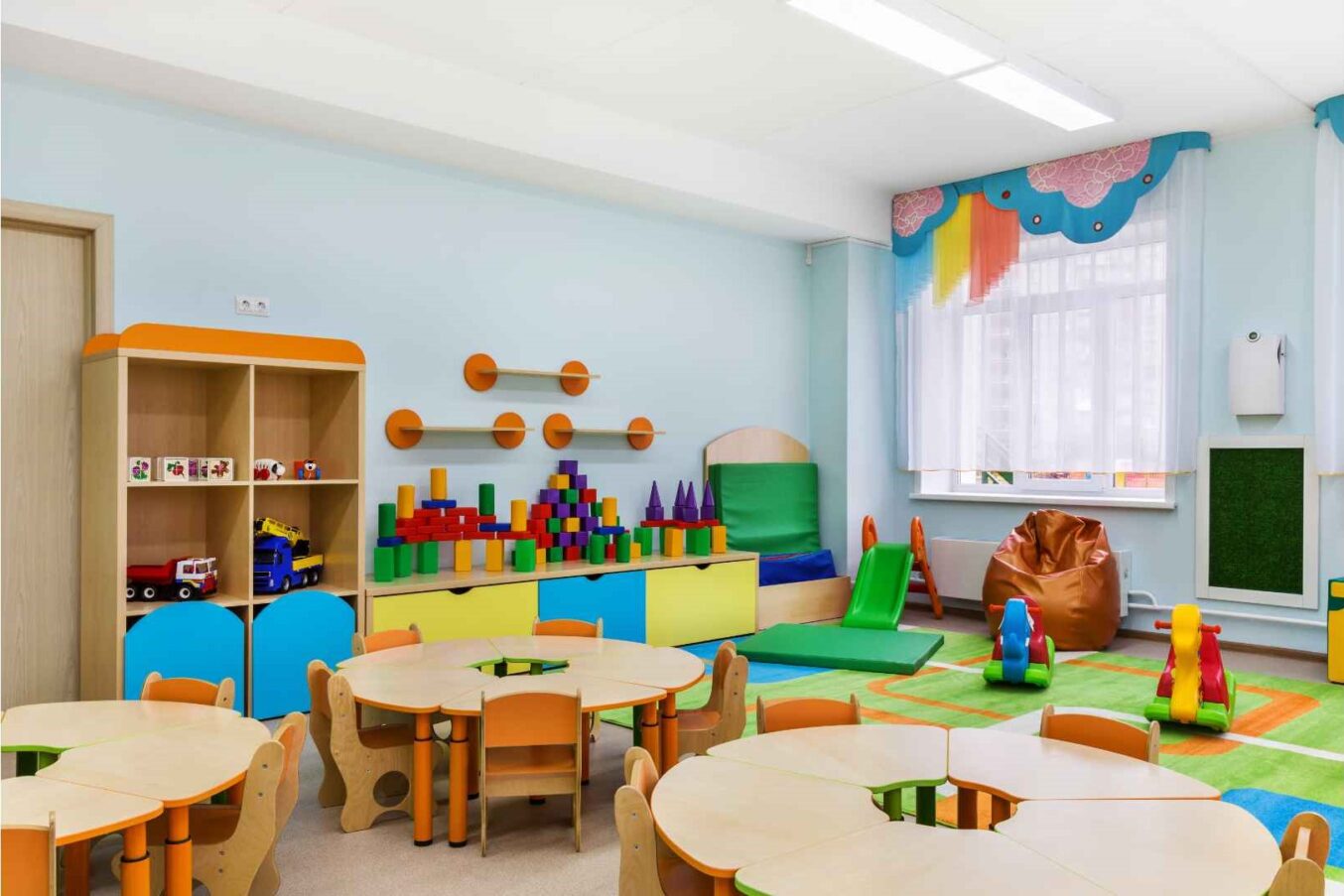
Visit the kindergarten and assess the quality of facilities and the overall learning environment. Pay attention to factors such as classroom setup, cleanliness, safety measures, and the availability of resources and learning materials. A well-equipped and stimulating learning environment can enhance your child’s engagement and enjoyment of learning.
6. Parental Involvement and Communication
Consider the level of parental involvement the kindergarten encourages and the communication channels established between parents and teachers. Strong partnerships between parents and educators create a collaborative support system that benefits the child’s learning and development. Look for opportunities to participate in parent-teacher meetings, workshops, and school events.
7. Reputation and Accreditation
Research the reputation and accreditation status of the kindergarten within the local community and educational landscape. Accredited kindergartens adhere to high standards of quality and best practices in early childhood education. Additionally, seek recommendations from other parents, friends, or online forums to gather insights and feedback about different kindergartens.
8. Inclusive Practices and Diversity
Consider the kindergarten’s diversity, equity, and inclusion approach. Look for kindergartens that celebrate diversity and promote inclusive practices honouring every child’s unique background, culture, and abilities. An inclusive learning environment fosters a sense of belonging and respect for all school community members.
9. Extracurricular Activities and Enrichment Programs
Explore the kindergarten’s extracurricular activities and enrichment programs beyond the core curriculum. These may include art, music, sports, language classes, field trips, and community service projects. Enrichment programs enhance your child’s learning experience and provide exploration and skill development opportunities in various areas.
10. Gut Feeling and Child’s Comfort
Trust your instincts and observe how your child responds during visits to the kindergarten. Please pay attention to their comfort level, interactions with teachers and peers, and overall demeanour. A kindergarten where your child feels safe, happy, and engaged is likely the right fit for their unique needs and personality.
In conclusion, choosing the right kindergarten for your child is a significant decision that requires careful consideration of multiple factors. By evaluating educational philosophies, facilities, teacher qualifications, parental involvement, and more, you can make an informed choice that sets your child on the path to success and lifelong learning. Remember to prioritize your child’s well-being, happiness, and individual needs as you embark on this important journey together.